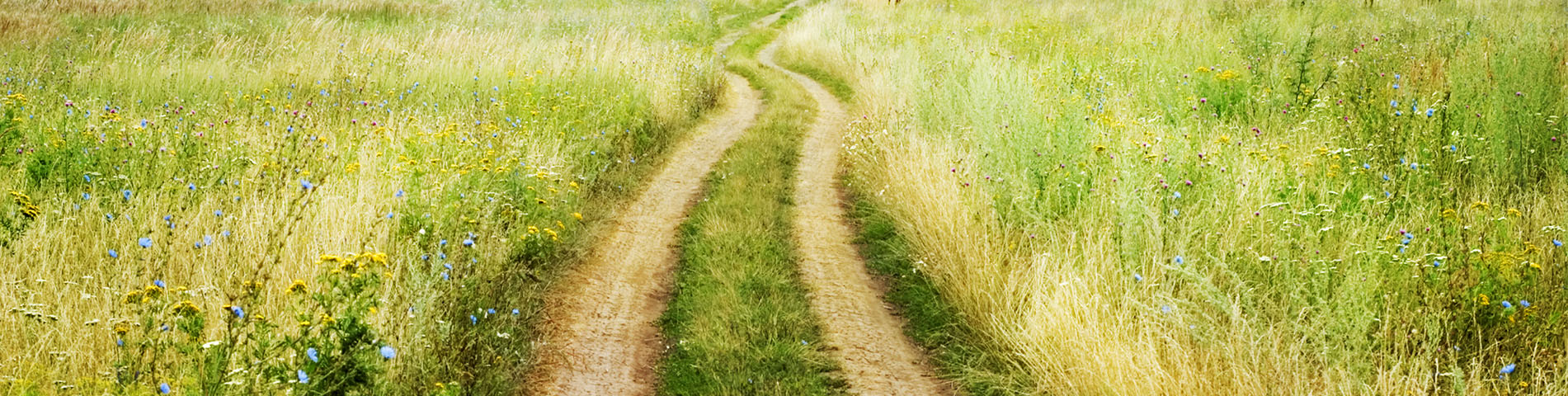
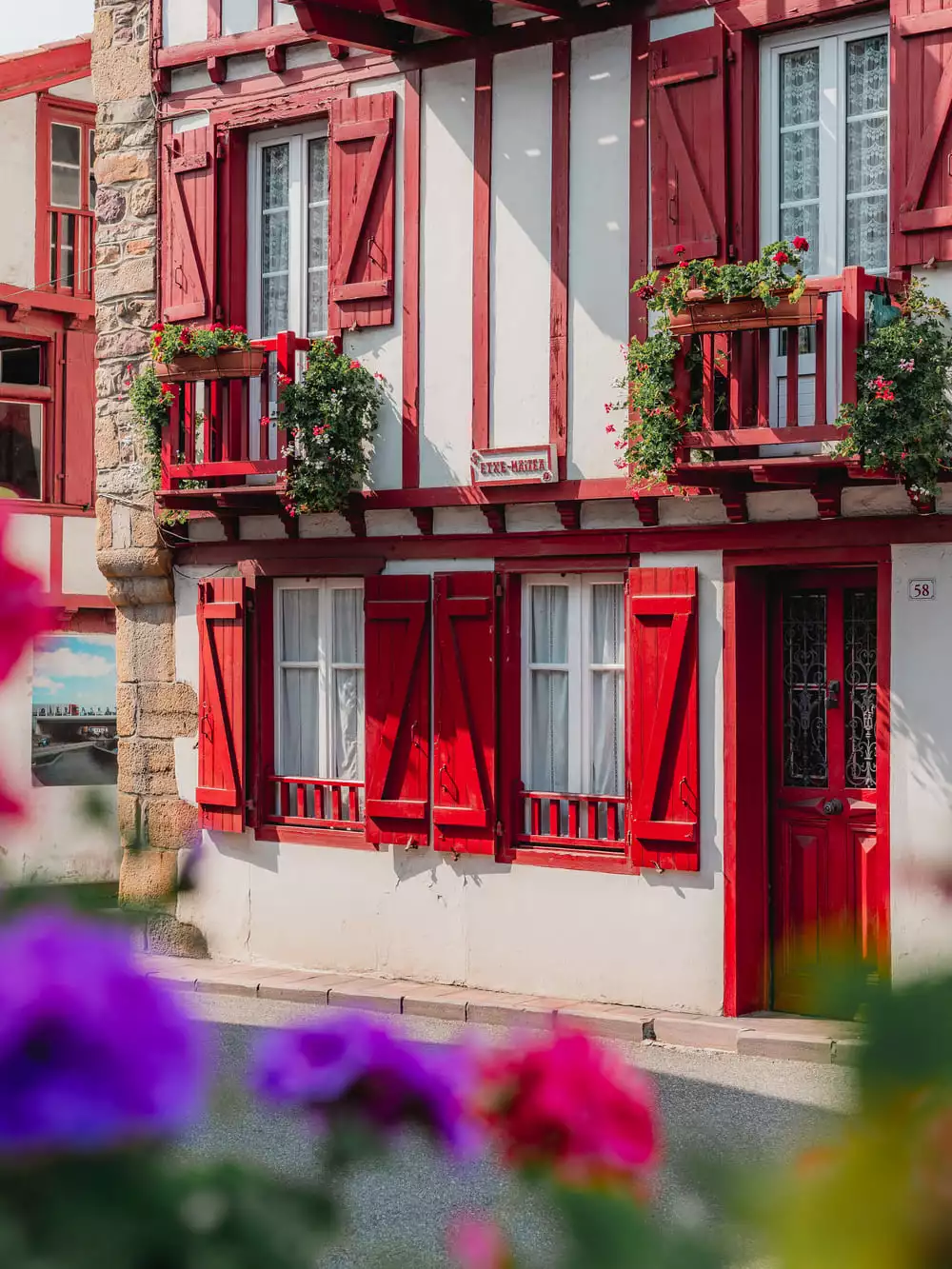
The Basque Way links Saint-Jean-Pied-de-Port to Hendaye (or Irún) through the heart of the French Basque Country. Over 73 kilometres and just four stages, this walking route takes you through green Pyrenean valleys, picturesque villages with their distinctive white and red timber-framed houses, and rolling hills with views stretching from the mountains to the Atlantic coast. Less well known than the main Camino routes, the Basque Way is a perfect short walk for those who want to discover the traditions, gastronomy and landscapes of one of the most distinctive regions in France.
Key features of the Basque Way
- Route name: Basque Way (Chemin Basque)
- Total distance: 73 km
- Number of stages: 4
- Number of sections: 1
- Recommended season: spring, summer and autumn (April to October)
- Difficulty: Level 2 (on average 5 hours of walking per day on paths and tracks through rolling terrain, with no more than 600 m of cumulative elevation gain per stage)
- Key points of interest: Saint-Jean-Pied-de-Port (Porte Saint-Jacques and citadel, gateway to the Pyrenees), the Irouléguy vineyards, Ossau-Iraty cheese country, Bidarray (the Noblia bridge over the Nive), Espelette (famous for its dried red peppers), Ascain (Roman bridge and views of La Rhune), the Château d'Abbadia near Hendaye, and the pottok (native Basque pony)
- Regions crossed: Pyrénées-Atlantiques (French Basque Country)
- Continuation: from Hendaye or Irún, you can join the Camino del Norte along the northern coast of Spain
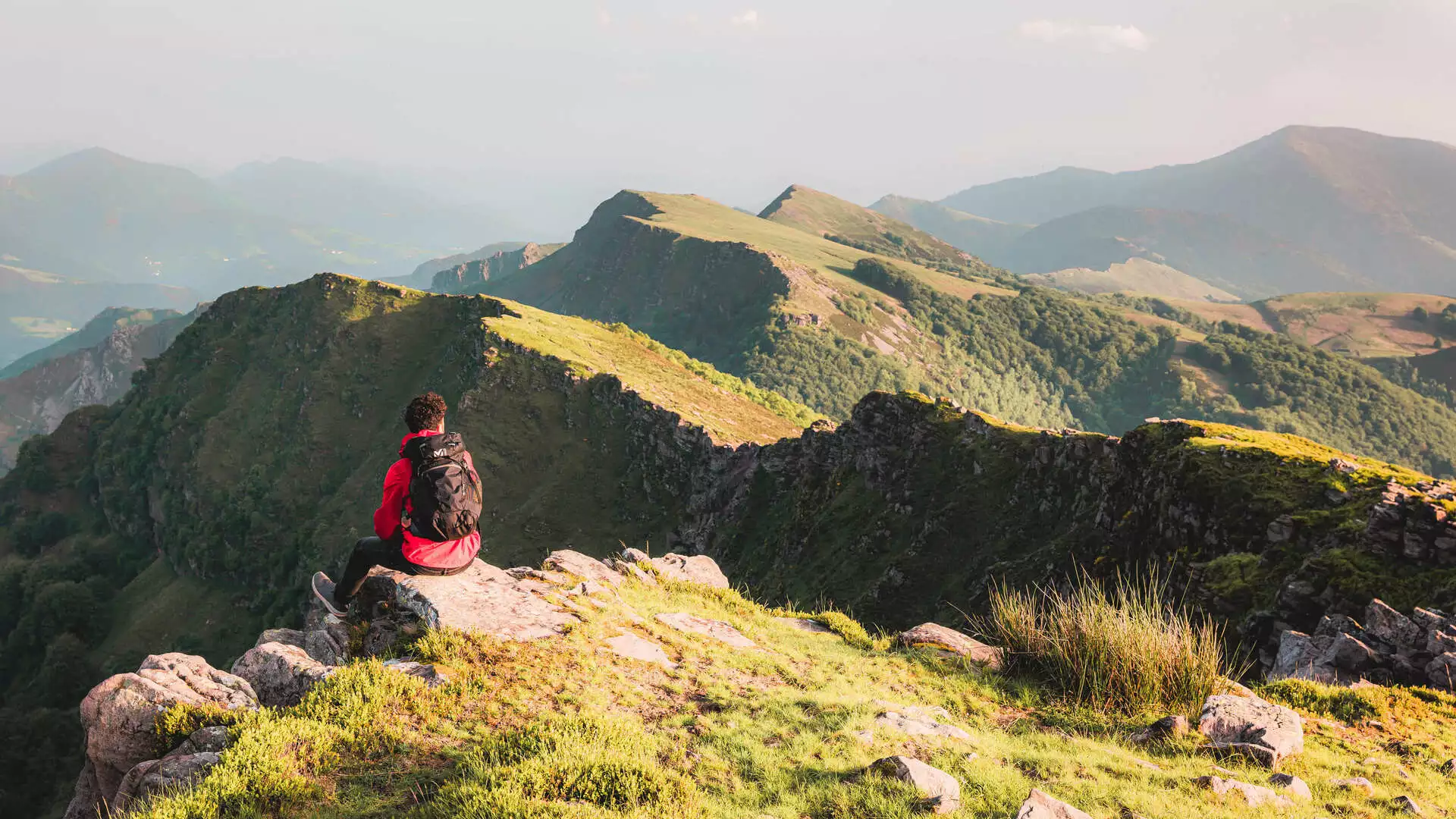
Overview of the Basque Way
The Basque Way is a walking route through the French Basque Country that connects two iconic starting points of the Camino de Santiago. From Saint-Jean-Pied-de-Port, the traditional gateway to the Camino Francés, the trail heads northwest through the Pyrenean foothills to Hendaye on the Atlantic coast, where the Camino del Norte begins.
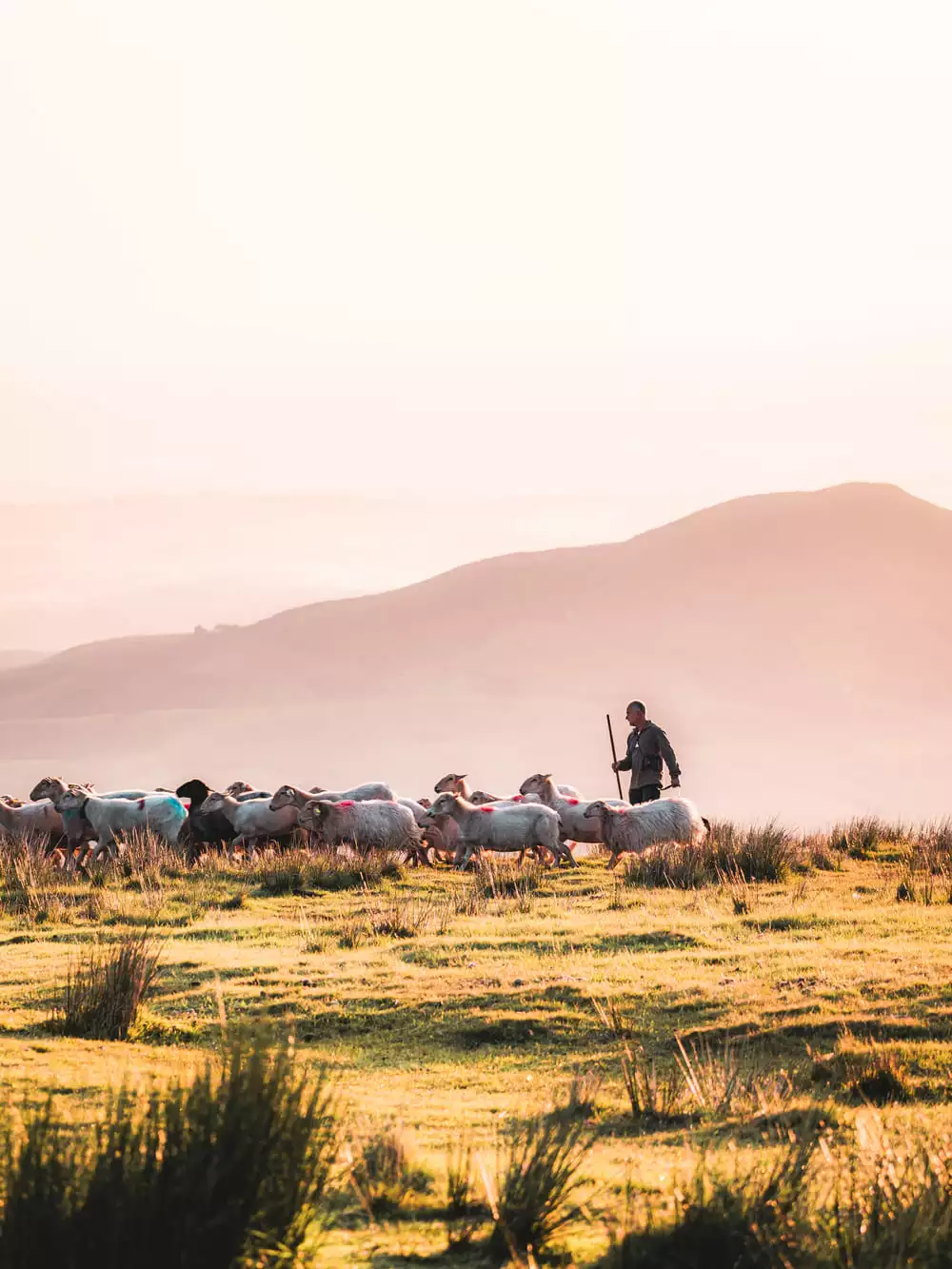
Along the way, you pass through some of the most beautiful villages in the Basque Country: Bidarray, nestled in the Nive valley; Espelette, known worldwide for its dried red peppers drying on the facades of traditional houses; and Ascain, at the foot of La Rhune. The trail crosses vineyards, forests, pastures grazed by pottoks (the small native Basque ponies) and offers panoramic views over both the Pyrenees and the coast. Every stage is an opportunity to taste local specialities, from Irouléguy wine to Ossau-Iraty cheese and Bayonne ham.
Accessible to walkers of all levels, the Basque Way is ideal as a short walking holiday on its own or as a link between the French pilgrimage routes and the Camino del Norte in Spain.
Basque Way stages
Saint-Jean-Pied-de-Port to Hendaye (or Irún)
The Basque Way is walked in four stages through the rolling countryside of the French Basque Country. The trail follows quiet paths and tracks through green valleys, over wooded hills and past traditional villages. Each stage averages around 18 km and can be completed in approximately 5 hours of walking.
| From | To | Distance |
|---|---|---|
| Saint-Jean-Pied-de-Port | Bidarray | 22 km |
| Bidarray | Espelette | 17.5 km |
| Espelette | Ascain | 18 km |
| Ascain | Irún (or Hendaye) | 15.5 km |
Total Distance : 73 km
Tips for planning your walk on the Basque Way
Best time to go
You can walk the Basque Way on any date you choose between April and October. Here are a few seasonal tips:
- In spring (April and May), the valleys are vivid green, wildflowers line the paths and the days are mild and pleasant for walking. June brings longer days, brighter skies and the trails remain quiet.
- In summer (July and August), the villages come alive with local festivals and outdoor markets, but it is worth setting off early to avoid the warmest part of the day.
- In early autumn (September), the climate is still mild and the countryside takes on warm autumnal tones. October can be cooler and occasionally wet, but the autumn colours and quieter trails make for a particularly intimate walking experience.
The most challenging stage
Saint-Jean-Pied-de-Port to Bidarray (22 km): the longest stage, with noticeable elevation gain and some demanding paths. It is also one of the most scenic, with fine panoramic views over the Pyrenean foothills and the Nive valley.
Our favourite stage
The walk through Espelette and Ainhoa, where the trail passes through quintessential Basque villages with their red and white houses, pelota courts and ancient churches. The combination of green landscapes and authentic Basque culture makes this stage unforgettable.
With Walks in France, your accommodation is booked in advance, your luggage is transferred between each stage, and you receive a detailed route book with maps and directions. We organise a self-guided walking holiday on the Basque Way, with quality accommodation in traditional Basque guesthouses. At the end of your walk, you can continue your journey on the Camino del Norte along the northern coast of Spain.
You can also explore our other routes in the region, including the Way of St James in France and the Camino Francés which begins just across the Pyrenees from Saint-Jean-Pied-de-Port.
Why choose Walks in France ?
Specialist in compostela stays
35 years of experience
An human-scale agency
No baggage to wear
Quality accomodation
Taylor-made stays