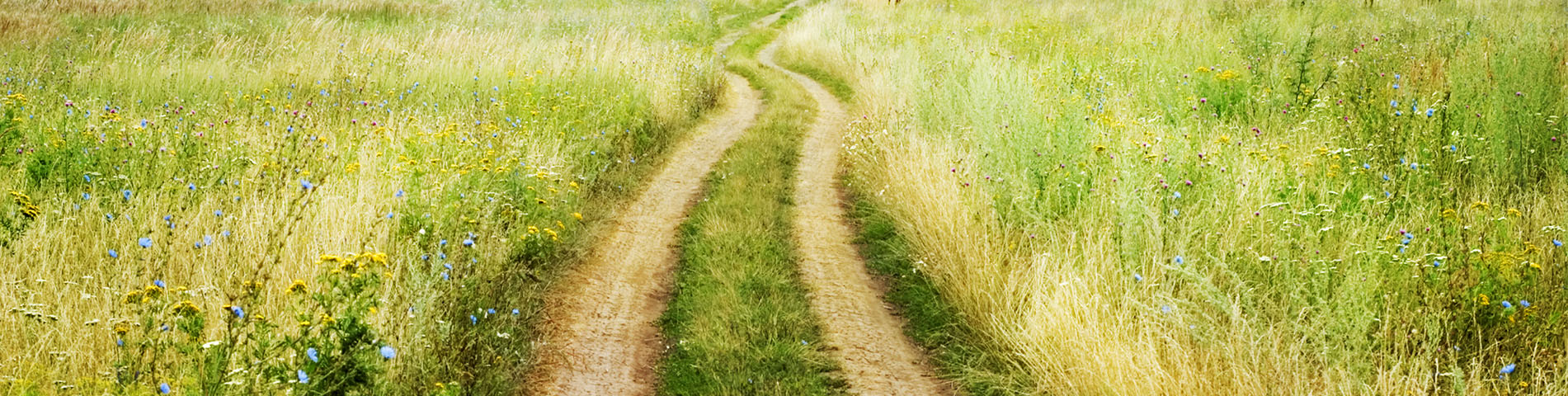
The Camino del Norte follows the northern coast of Spain from Hendaye (or Irún) to Santiago de Compostela, offering one of the most spectacular walking routes on any Camino. Over approximately 880 kilometres and 34 stages, the trail takes you along Atlantic cliffs, wild beaches, mountain passes and through some of Spain's most characterful cities: San Sebastián, Bilbao, Santander and Gijón. A true alternative to the Camino Francés, the Northern Way attracts walkers seeking dramatic coastal scenery, Basque and Cantabrian culture, and a quieter, wilder trail.
Key features of the Camino del Norte
- Official name: Camino del Norte (Ruta de la Costa / Northern Way)
- Total distance: approximately 880 km
- Number of stages: 34
- Number of sections: 5 (plus an optional extension to Fisterra)
- Recommended season: spring, summer and autumn (April to October)
- Difficulty: Level 2 to 3, depending on the section (on average 5 to 6 hours of walking per day, with some stages exceeding 25 km and involving 600 to 800 m of cumulative elevation gain)
- Main sections: Hendaye to Bilbao / Bilbao to Santillana del Mar / Santillana del Mar to Oviedo / Gijón to Ribadeo / Ribadeo to Santiago de Compostela
- Recommended starting section: Hendaye to Bilbao (6 stages, 8 days)
- Key points of interest: Irún and Mount Jaizkibel (panoramic views over the Atlantic), the Flysch cliffs between Zumaia and Deba (spectacular geological formations on the Basque coast), Getaria (a fishing port famous for its grilled fish), the Guggenheim Museum in Bilbao, Santillana del Mar (medieval atmosphere, Collegiate Church of Santa Juliana), the wild beaches of Asturias, the Praia das Catedrais near Ribadeo (dramatic rock arches sculpted by the ocean), and Santiago de Compostela (the cathedral, the pilgrims' mass and the Botafumeiro)
- Regions crossed: Basque Country, Cantabria, Asturias, Galicia
- Extension: Santiago de Compostela to Fisterra (6 days) or Muxía (an additional 1 to 2 days)
Overview of the Camino del Norte route
The Camino del Norte is one of the most spectacular pilgrimage routes to Santiago de Compostela. Stretching approximately 880 kilometres along Spain's northern coastline, it runs from Irún at the French border to the cathedral city of Santiago de Compostela. The trail passes through four distinct regions, each with its own character: the green hills and pintxos bars of the Basque Country, the sandy beaches and seaside towns of Cantabria, the rugged cliffs and cider houses of Asturias, and the quiet, rain-washed countryside of Galicia.
Less crowded than the Camino Francés, the Northern Way appeals to walkers who value solitude, dramatic landscapes and cultural variety. The terrain is more demanding, with frequent climbs and descents along the coastline, but the reward is some of the finest coastal walking in Europe. At Arzúa, the Camino del Norte joins the Camino Francés for the final stages into Santiago.
Camino del Norte stages
Hendaye (or Irún) to Bilbao
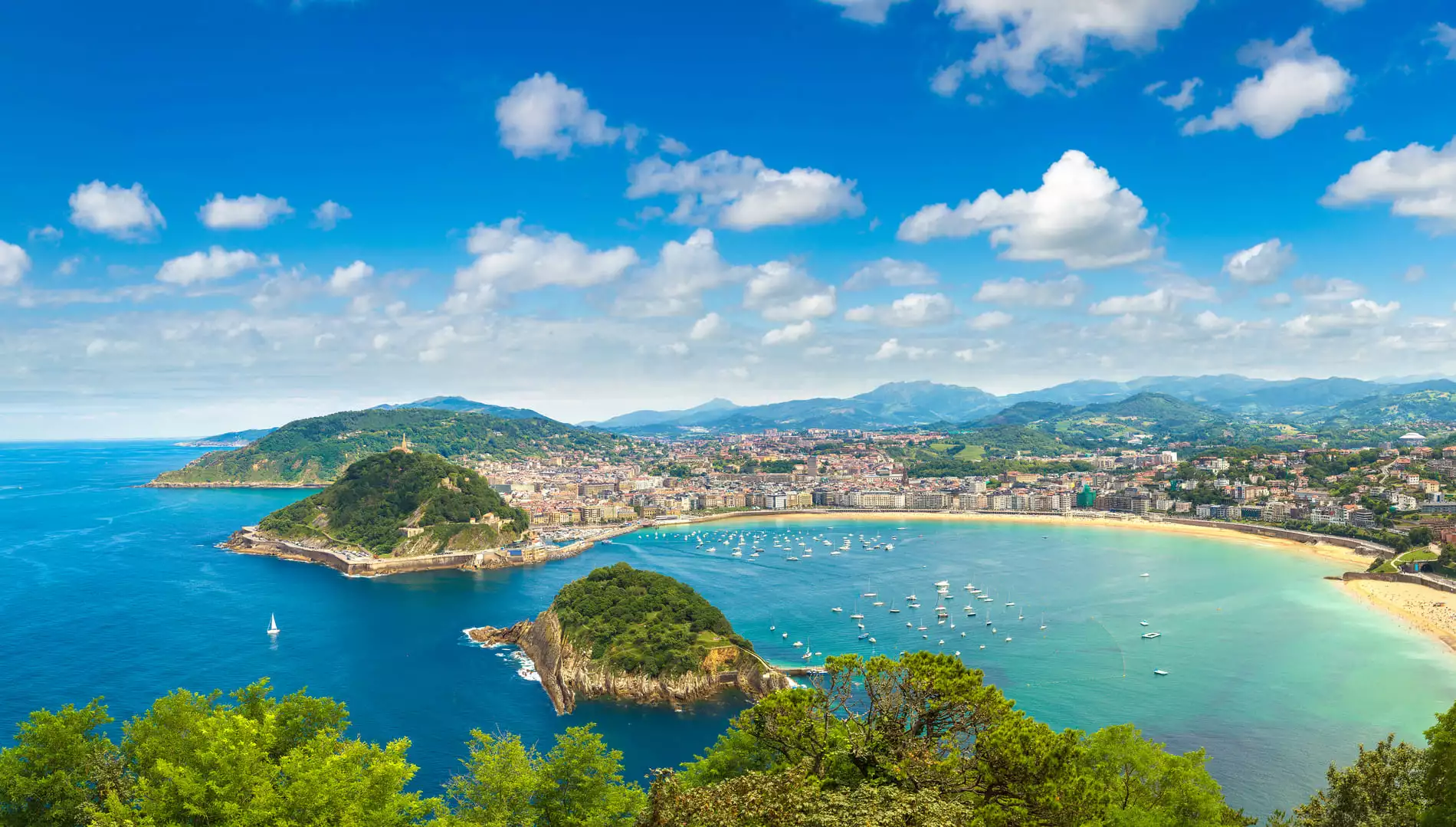
The opening section of the Camino del Norte takes you through the heart of the Basque Country. From Hendaye (or Irún), the trail climbs over Mount Jaizkibel with sweeping views of the Atlantic before descending to the elegant city of San Sebastián and its famous La Concha beach. From there, the route follows the Basque coastline through the fishing villages of Zarautz and Getaria, past the extraordinary Flysch cliffs between Zumaia and Deba, and inland through forested hills to the historic town of Gernika before reaching Bilbao and its renowned Guggenheim Museum.
| From | To | Distance |
|---|---|---|
| Hendaye (or Irún) | San Sebastián | 27 km (or 25 km) |
| San Sebastián | Zarautz | 21 km |
| Zarautz | Deba | 23 km |
| Deba | Markina | 28 km |
| Markina | Gernika | 27 km |
| Gernika | Bilbao | 25 km |
Total Distance : 151 km
For tailor-made stages: Orio, Zumaia.
Bilbao to Santillana del Mar
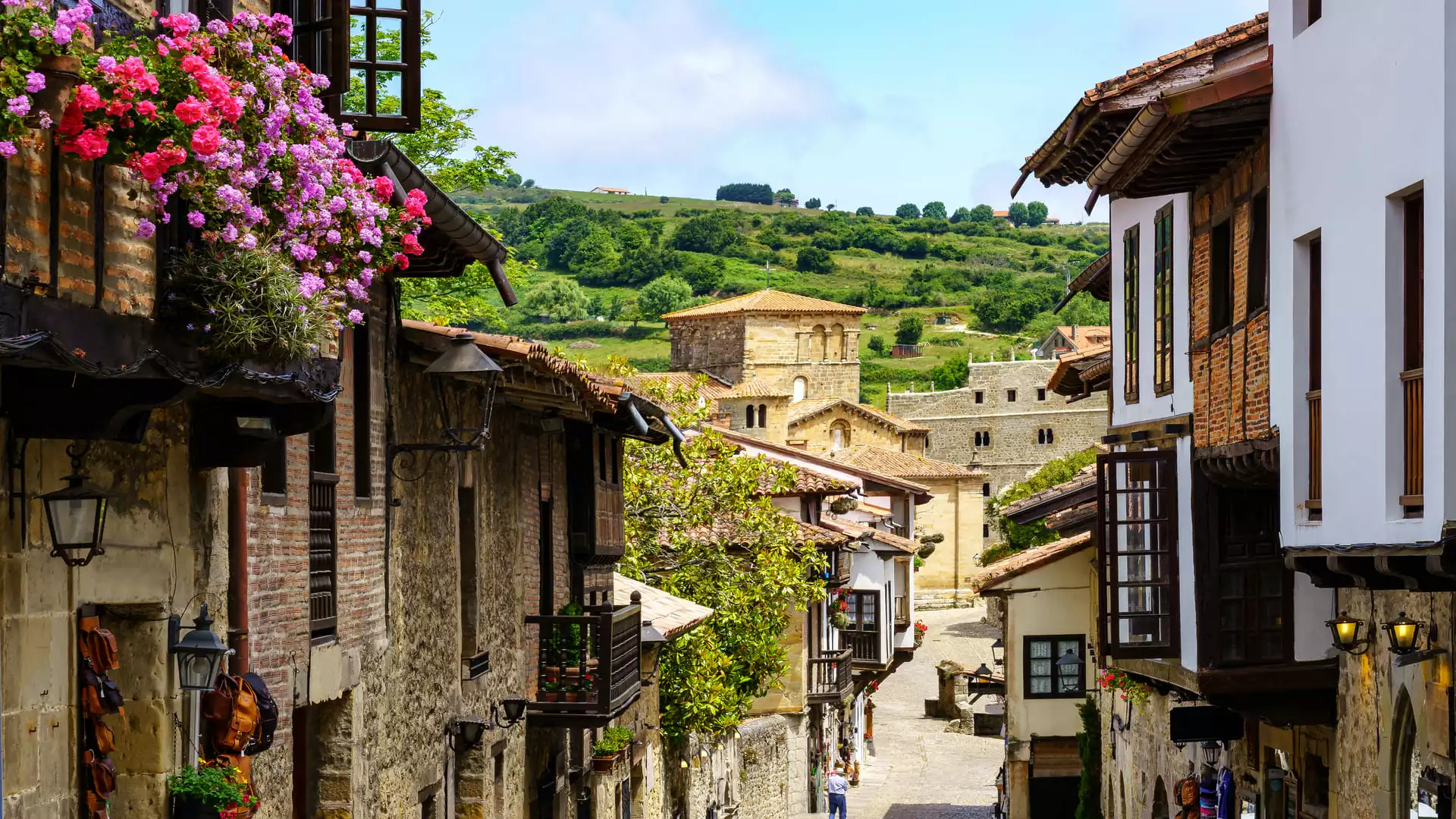
Leaving Bilbao, the trail enters Cantabria and continues along the coast through a succession of charming seaside towns. You pass through Castro Urdiales and Laredo, cross the bay to Santoña by boat, and walk through Güemes before reaching the elegant port city of Santander. The section ends at Santillana del Mar, often called the jewel of the Camino del Norte, a beautifully preserved medieval village with cobbled streets and the Romanesque Collegiate Church of Santa Juliana.
| From | To | Distance |
|---|---|---|
| Bilbao | Castro Urdiales | 24 km |
| Castro Urdiales | Laredo | 28.7 km |
| Laredo | Güemes | 28.5 km |
| Güemes | Santander | 15.5 km |
| Santander | Mogro | 14 km |
| Mogro | Santillana del Mar | 20 km |
Total Distance : 130.7 km
For tailor-made stages: Liendo, Santoña.
Santillana del Mar to Oviedo
This long section takes you from Cantabria deep into Asturias. You walk through Comillas and along the coast to Llanes and Ribadesella, two of the most beautiful seaside towns in northern Spain. The coastline here is dramatic, with sheer cliffs, hidden coves and long sandy beaches. The trail then turns inland through the rolling green hills of Asturias, passing through Villaviciosa (famous for its cider production) before reaching the city of Oviedo. At Villaviciosa, walkers can choose to continue along the coast via Gijón or take the Camino Primitivo inland.
| From | To | Distance |
|---|---|---|
| Santillana del Mar | Comillas | 23 km |
| Comillas | Unquera | 28 km |
| Unquera | Llanes | 26 km |
| Llanes | Ribadesella | 30 km |
| Ribadesella | Colunga | 21 km |
| Colunga | Villaviciosa | 17 km |
| Villaviciosa | Vega de Poja | 24 km |
| Vega de Poja | Oviedo | 22 km |
Total Distance : 191 km
For tailor-made stages: San Vicente de la Barquera.
Gijón to Ribadeo
Between Asturias and Galicia, this section of the Camino del Norte follows the Cantabrian coast from Gijón westward to Ribadeo. The trail alternates between spectacular clifftops, wild coves, long beaches and fishing villages. You pass through the port towns of Avilés and Luarca, with their strong maritime heritage, before crossing into Galicia at the famous Ponte dos Santos, spanning the Eo river estuary. The landscapes, language and culture change noticeably as you enter Galicia.
| From | To | Distance |
|---|---|---|
| Gijón | Avilés | 24 km |
| Avilés | Muros de Nalón | 24 km |
| Muros de Nalón | Soto de Luiña | 16.5 km |
| Soto de Luiña | Cadavedo | 23.5 km |
| Cadavedo | Luarca | 16.6 km |
| Luarca | Navia | 18.5 km |
| Navia | Ribadeo | 32 km |
Total Distance : 155 km
Ribadeo to Santiago de Compostela
At Ribadeo, you leave the coast behind and head inland through the Galician countryside. The ocean gives way to rolling farmland, eucalyptus forests and quiet stone villages. The trail passes through Vilalba, a popular starting point for walkers who wish to complete the final 120 kilometres. At Sobrado dos Monxes, you can visit the impressive Cistercian monastery. At Arzúa, the Camino del Norte joins the Camino Francés for the last two stages into Santiago de Compostela.
| From | To | Distance |
|---|---|---|
| Ribadeo | Lourenzá | 29 km |
| Lourenzá | Abadín | 25 km |
| Abadín | Vilalba | 22 km |
| Vilalba | Baamonde | 21 km |
| Baamonde | Miraz | 16 km |
| Miraz | Sobrado dos Monxes | 26 km |
| Sobrado dos Monxes | Arzúa | 22.5 km |
| Arzúa | A Rúa | 18 km |
| A Rúa | Santiago de Compostela | 22 km |
Total Distance : 201,5 km
Tips for planning your walk on the Camino del Norte
Best time to go
You can walk the Camino del Norte on any date you choose between April and October. Here are a few seasonal tips:
- In spring (April to June), temperatures are pleasant, nature is in full bloom and the trails are quieter. This is an ideal time to enjoy the green, lush landscapes along the northern coast of Spain.
- In summer (July and August), the days are long and often sunny, perfect for making the most of the beaches. However, the trail is busier and temperatures can be higher, particularly in sheltered valleys.
- Early autumn (September and October) is one of the most popular periods: the weather is still mild, the atmosphere is more peaceful, and the cliffs and forests take on beautiful colours.
The most challenging stages
- Hendaye to San Sebastián (27 km): the trail follows the Basque coast with steep climbs and technical descents, including the ascent of Mount Jaizkibel. The views are magnificent, but this is a demanding start.
- Deba to Markina (28 km): a very hilly stage with numerous steep climbs and narrow, sometimes slippery paths through forested hills.
- Gernika to Bilbao (25 km): the trail crosses wooded hills with sustained climbs throughout.
- Llanes to Ribadesella (30 km): a long stage with successive climbs and exposed coastal stretches.
Our favourite stages
- Irún to San Sebastián: a superb opening stage with cliffs, wild coves and verdant forests. The panoramic views over the Bay of Biscay are unforgettable, and the arrival on La Concha beach in San Sebastián is one of the finest on any Camino.
- Zarautz to Deba: this stage follows the coastline with spectacular views over the Atlantic, passing the remarkable Flysch geological formations.
- Llanes to Ribadesella: one of the most celebrated stages for its coastal scenery, with sheer cliffs, hidden beaches and colourful villages.
- Luarca to Navia to Ribadeo: you leave Asturias and enter Galicia, walking past wild coves and exceptional ocean panoramas. The Praia das Catedrais near Ribadeo, with its dramatic rock arches, is not to be missed.
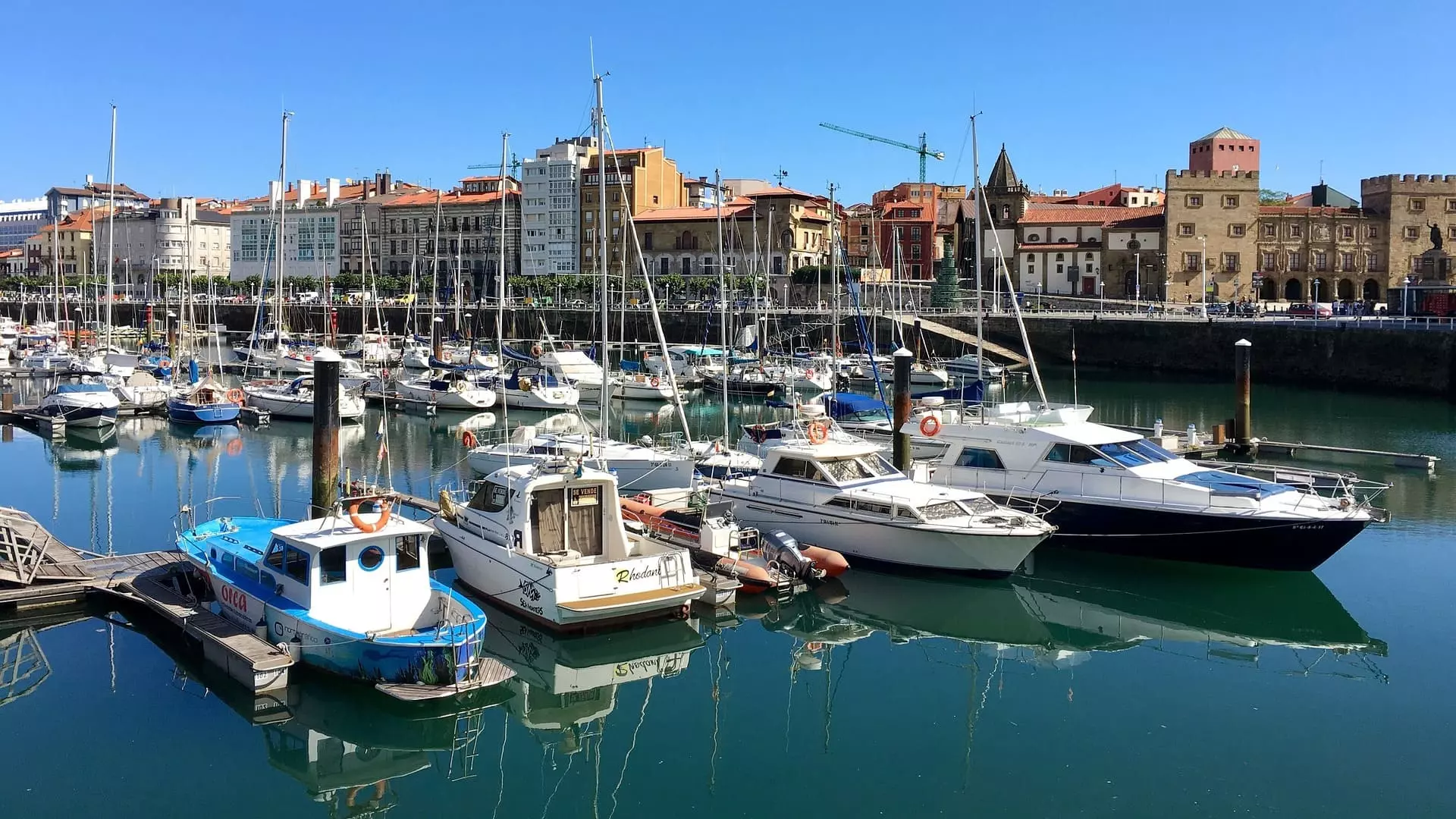
With Walks in France, your accommodation is booked in advance, your luggage is transferred between each stage, and you receive a detailed route book with maps and directions. We organise self-guided walking holidays on every section of the Camino del Norte, and we can create a tailor-made itinerary adapted to your pace and schedule. Whether you walk the full 880 kilometres or just one section, we handle the logistics so you can focus on the trail.
You can also explore our other Camino de Santiago routes, including the Camino Francés, the Camino Portugués, and the Way of St James in France.
Why choose Walks in France ?
Specialist in compostela stays
35 years of experience
An human-scale agency
No baggage to wear
Quality accomodation
Taylor-made stays