Famous Pilgrimages Around the World
Whether you are looking for spiritual meaning or simply want to step away from everyday life, these pilgrimage routes around the world are worth exploring. They often leave a lasting impression on those who walk them.
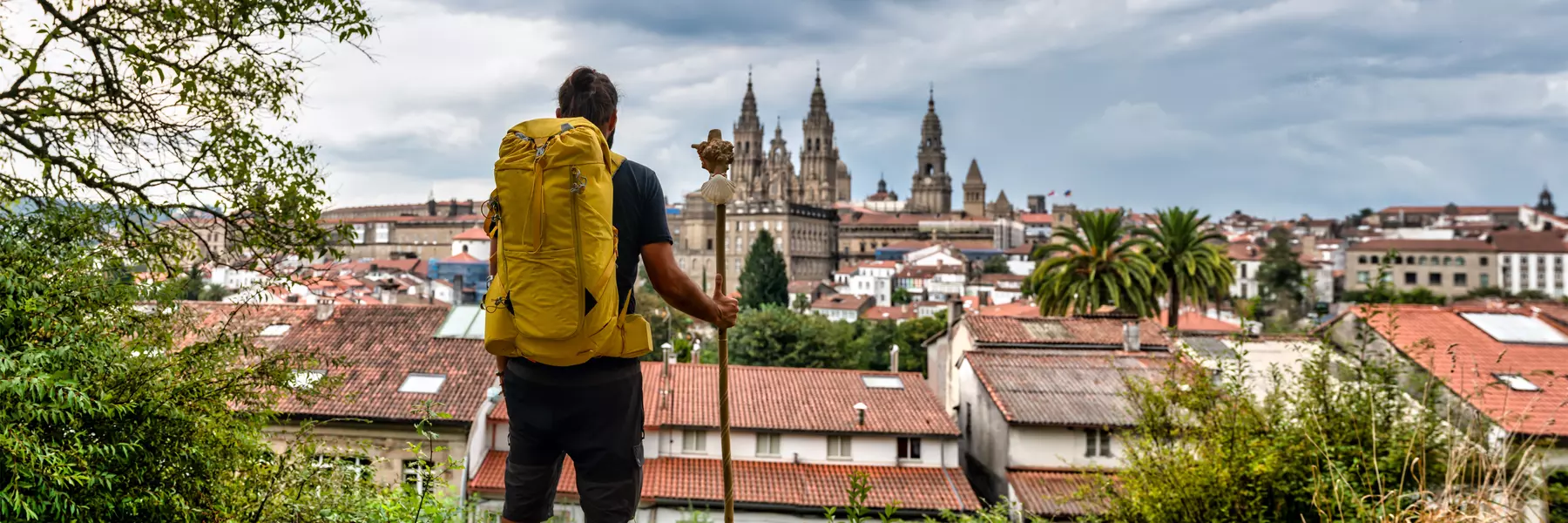
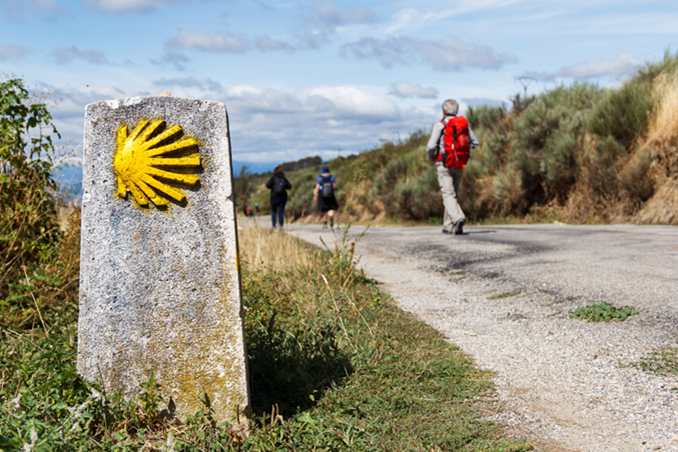
The Camino de Santiago, France and Spain
- The Camino de Santiago, also known as the Way of St James, is one of the most famous pilgrimage routes in Europe and beyond.
- Over 100,000 people walk to Santiago de Compostela every year, where the apostle St James is believed to be buried.
- The most popular route starts from Saint-Jean-Pied-de-Port in southern France, crosses the Pyrenees through the Basque Country, and continues across northern Spain to the cathedral.
- Pilgrims stay overnight in a range of accommodation along the route. Walking the full route typically takes several weeks.
The Kumano Kodo, Japan
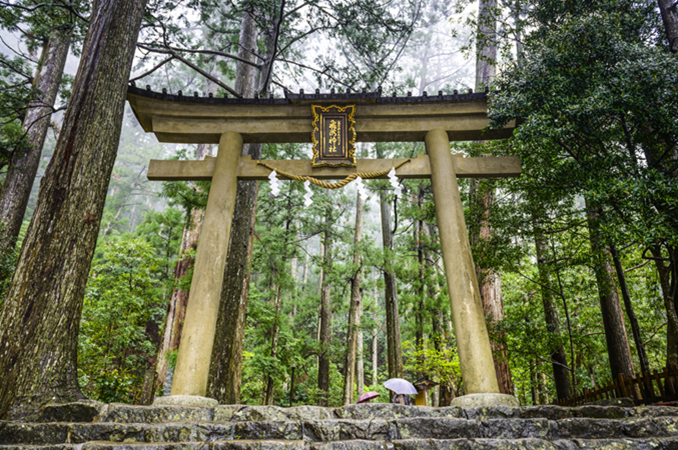
The Kumano Kodo trail, once walked by Japanese emperors for over a thousand years, runs through the Kii Mountains south of Osaka. It leads to three sacred shrines, passing through sacred sites and tea houses, with fine views along the way. The trail itself is part of the spiritual journey: emperors and aristocrats followed strict rituals of worship and purification as they walked. It remains a remarkable experience in one of Japan's most important spiritual landscapes. And after a long day on the trail, you can recover at one of the onsen (hot spring inns) nearby.
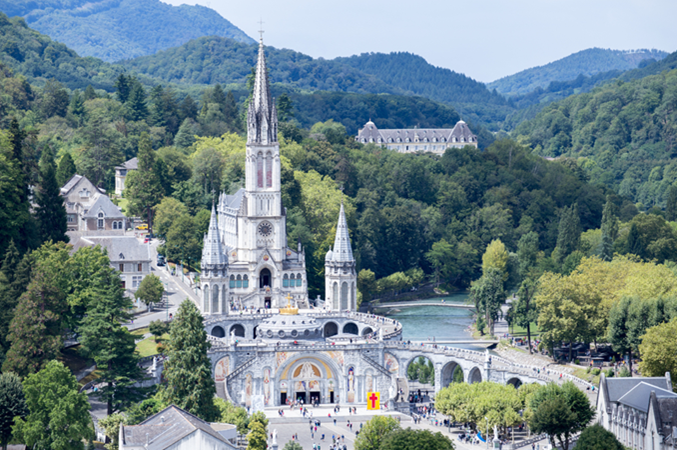
The Basilica of Our Lady of Lourdes, France
There is no evidence that the cave at Lourdes was a sacred site in ancient times, but in just 140 years it has become one of the most visited pilgrimage sites in the Christian world.
- The pilgrimage to Lourdes began with Bernadette Soubirous, a 14-year-old girl from a devout farming family.
- Between 11 February and 16 July 1858, Bernadette reported 18 apparitions of a lady in white at the small cave of Massabielle, on the banks of the Gave de Pau.
- Today, the sanctuary welcomes four to six million pilgrims a year.
- A 1978 survey found that pilgrims came from 111 countries, with women making up 69% of visitors.
- An estimated 200 million pilgrims have visited Lourdes since 1860.
Medjugorje, Bosnia and Herzegovina
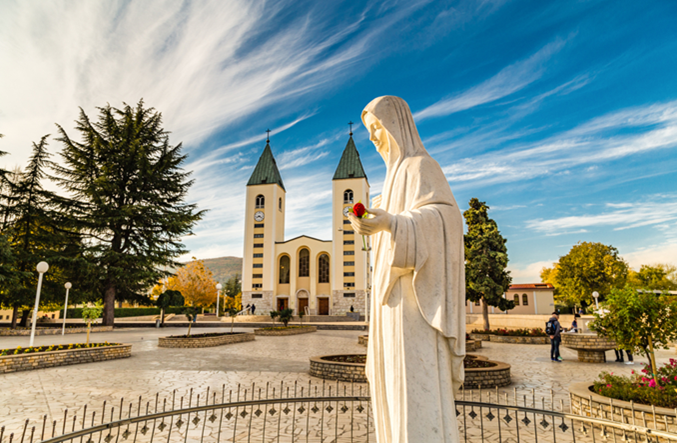
Pilgrimages to Medjugorje, a village in Bosnia and Herzegovina, date back to the 1980s, when a group of six local children reported visions of the Virgin Mary. Around one million visitors travel to the Sanctuary of Medjugorje each year, drawn by its reputation as a place of spirituality and peace.
The Vatican, Rome
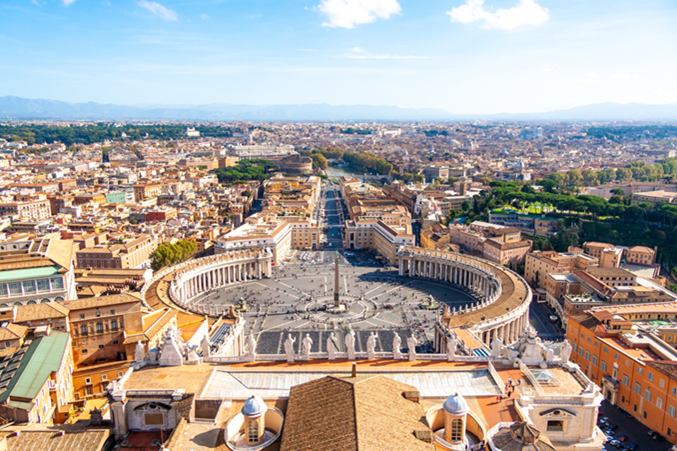
Pilgrims travel to the Vatican in Rome to attend a public audience with the Pope on Wednesdays in St Peter's Square, or to attend a papal mass during the year.
- St Peter's Basilica is the main site for Roman Catholic pilgrims visiting Rome.
- Pilgrims come not only to see or hear the Pope, but also to pray at what is believed to be the tomb of St Peter, beneath the basilica.
- The feet of a 13th-century bronze statue of St Peter have been worn smooth by the millions of pilgrims who have touched and kissed them over the centuries.
- For many Catholics, making the pilgrimage to Rome means being close to the heart of their faith and to the earliest Christian community.
Other major pilgrimages around the world include:
- Jerusalem: the city brings together three major pilgrimage traditions: the Western Wall for Jewish pilgrims, the Church of the Holy Sepulchre for Christians, and the Al-Aqsa Mosque compound for Muslims.
- Medina: a holy city in Saudi Arabia where the Prophet Muhammad is believed to have lived during the Hegira. It is the second holiest city in Islam.
- Mecca: the holiest site in Islam, Mecca draws millions of pilgrims every year.
In Buddhism, four main pilgrimage sites are associated with the Buddha: Lumbini in Nepal, his birthplace; Bodh Gaya, where he attained enlightenment; Sarnath near Varanasi, where he gave his first teaching; and Kushinagar, where he entered Parinirvana.
A journey worth taking
Every great pilgrimage has its own atmosphere and its own character. But beyond the differences in religious tradition, what they share is the journey itself, whether physical, spiritual or both. Pilgrimages carry a sense of healing and hope, and remind us that, across the vast and varied human family, we are all travellers.