The Camino de Santiago Pilgrimage

Everything you need to know about the pilgrimage to Santiago de Compostela.

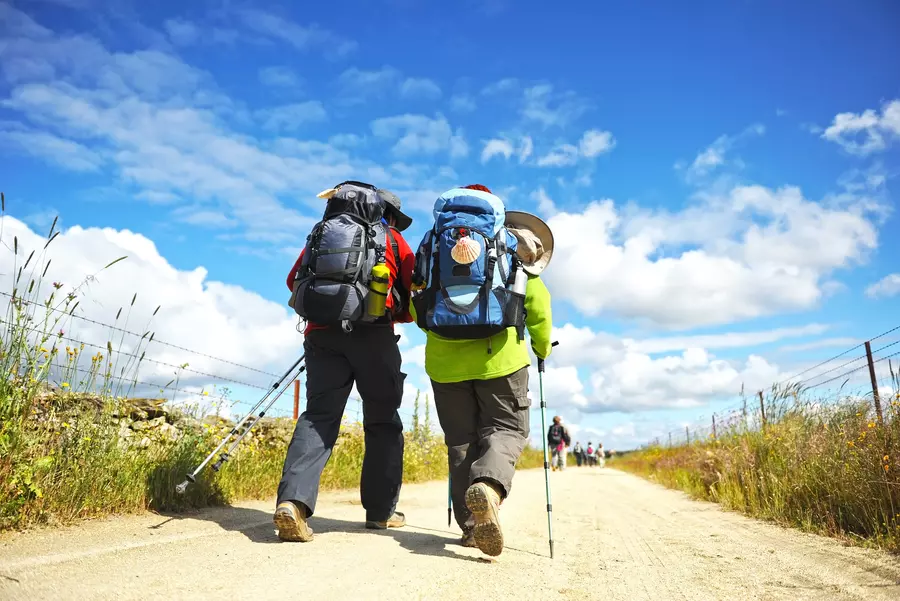
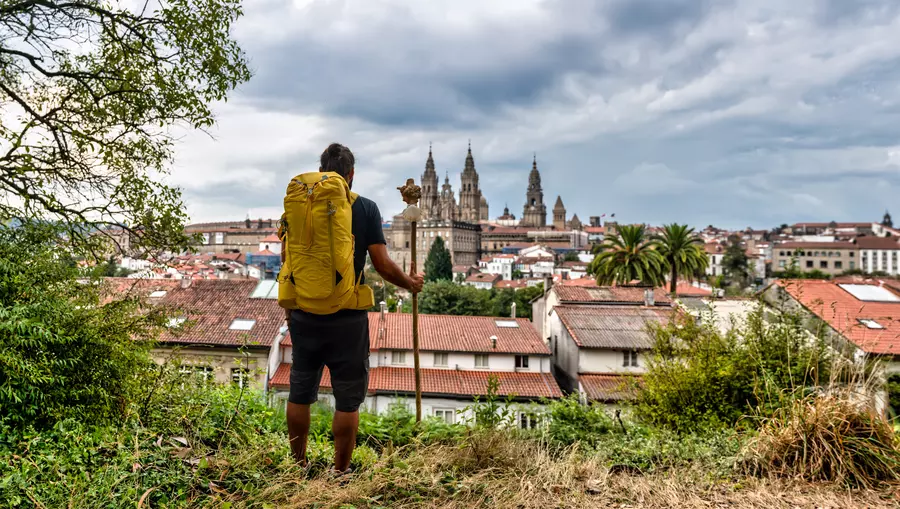
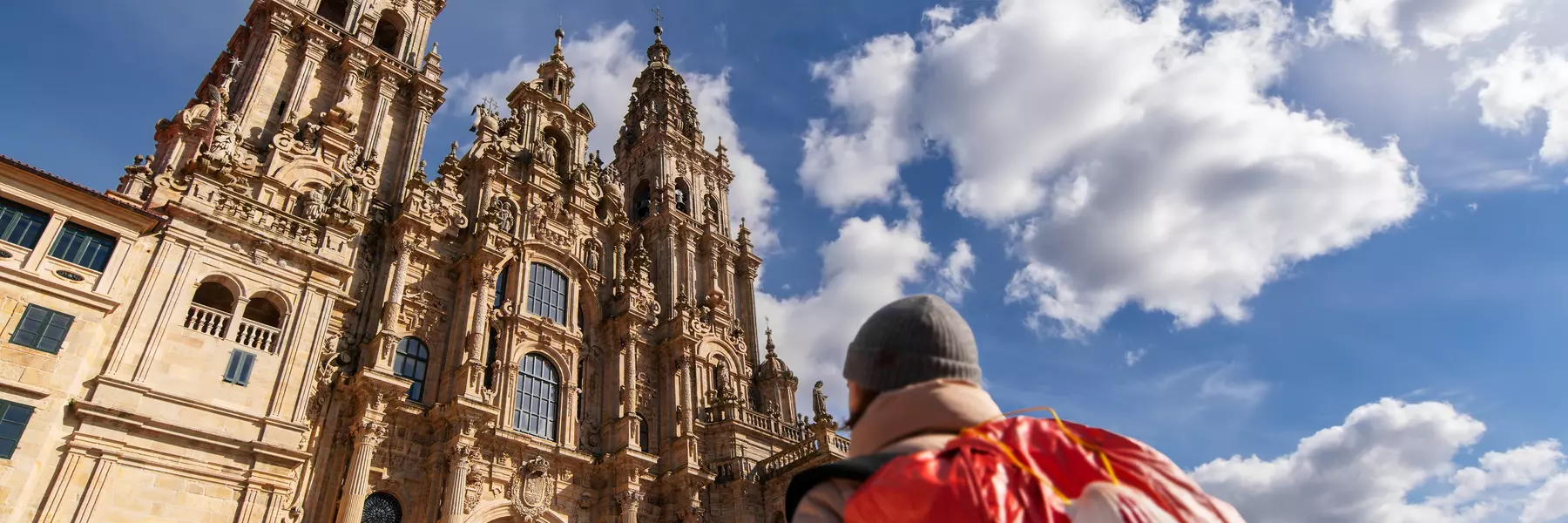
The Camino de Santiago pilgrimage was once considered one of the three most important pilgrimages in Christianity, alongside Rome and Jerusalem. Pilgrims walked this route to reach the tomb of the apostle St James at the Cathedral of Santiago de Compostela. Following the discovery of his remains in the early 9th century, the pilgrimage to Santiago de Compostela became one of the great journeys of the medieval world by the 11th century.

The Camino de Santiago refers to a network of routes across France and Spain. Four main routes through France were mapped from the 1970s onwards, under the guidance of the French Hiking Federation and the Society of Friends of St James. The Via Turonensis (also known as EuroVelo 3) covers 1,460 km, passing through Paris and Tours. The Via Lemovicensis covers 1,750 km through Limoges, starting from the pilgrimage town of Vézelay. The Via Tolosana passes through Arles, Lodève, Castres and Toulouse, crossing into Spain at the Col du Somport. This route is now commonly known as the Arles Way. Finally, the Via Podiensis, or Le Puy Way, covers 1,530 km along the GR 65. It takes its name from Le Puy-en-Velay, a place of Marian pilgrimage and now considered the European capital of the Camino de Santiago. Le Puy-en-Velay is without doubt the most popular starting point for the pilgrimage in France, a crossroads where the Geneva Way, the Lyon Way and the Cluny Way all converge.

The Le Puy Way links Le Puy-en-Velay to Saint-Jean-Pied-de-Port over 760 kilometres. From the Haute-Loire to the Basque Country, the route takes you through the Margeride, the Aubrac plateau, the Lot valley, the Quercy and the agricultural hills of Gascony before reaching the foothills of the Pyrenees. Along the way, you pass remarkable heritage sites: the cathedral at Le Puy, the abbey church at Conques, the Pont Valentré at Cahors, the cloister at Moissac, the collegiate church at La Romieu, and countless chapels and villages along the way.

To continue to the Cathedral of Santiago de Compostela, you join the Camino Francés, a route of around 770 kilometres. The Camino Francés traditionally starts from Saint-Jean-Pied-de-Port, crosses the Pyrenees and continues through northern Spain, with stops at Pamplona, Burgos, León and Astorga before ending at Santiago de Compostela. The Camino Francés is the most popular and the most cosmopolitan of all the Camino de Santiago routes. Walking from Le Puy-en-Velay to Santiago de Compostela takes around 75 stages, covering approximately 1,530 kilometres in total.
What Is a Pilgrimage?

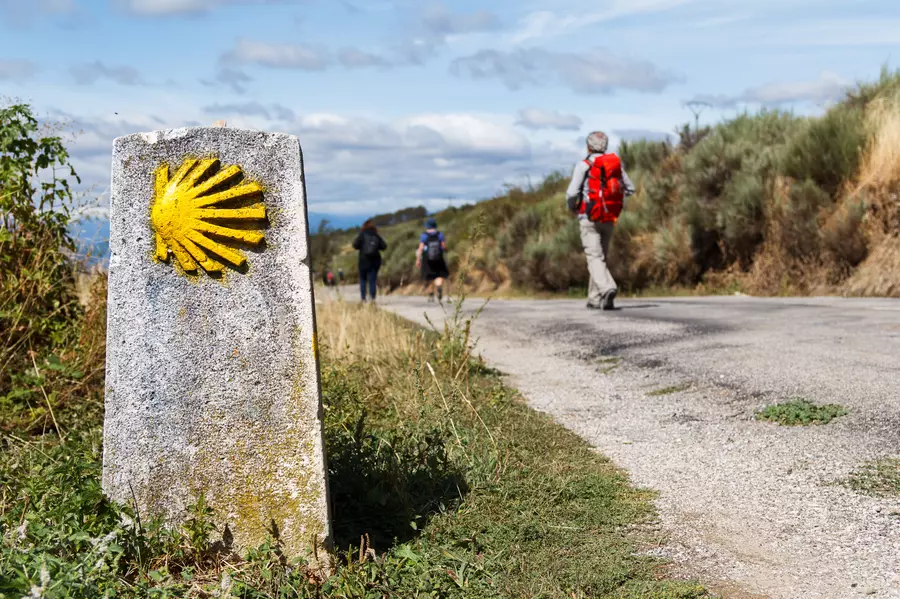
Santiago de Compostela, Lourdes, the Holy Land: for centuries, pilgrims have walked these routes to reach places where saints lived and carried the word of God. Whatever the reason behind a pilgrimage, whether it is an act of faith, a search for meaning, a cultural journey or a physical challenge, it offers each walker a chance to start afresh. The Camino de Santiago has become one of the most important pilgrimages in the Catholic tradition, drawing thousands of pilgrims from around the world every year.

The story of the pilgrimage to Santiago de Compostela begins in 42 AD, when the apostle James was beheaded in Jerusalem. Two of his disciples are said to have carried his body to Spain, the land where St James is said to have preached during his lifetime. It was on that same ground that his shrine was built. So what does a pilgrimage on the Camino de Santiago mean? Let us take a closer look.

Plus d'informations : What Is a Pilgrimage?

What Is a Pilgrim?

What does the word "pilgrim" really mean? The traditional definition is straightforward: a pilgrim is a traveller who makes a journey to a sacred place as an act of devotion. But today, a pilgrim on the Camino de Santiago is not always a believer heading for a holy site. Many set out for other reasons: a personal search, a need for reflection, or simply the desire to walk and think. The meaning of the word has broadened, and the question of what it means to be a Camino pilgrim is one that every walker answers differently.

Plus d'informations : What Is a Pilgrim?

Famous Pilgrimages Around the World

Whether you are looking for spiritual meaning or simply want to step away from everyday life, these pilgrimage routes around the world are worth exploring. They often leave a lasting impression on those who walk them.

Plus d'informations : Famous Pilgrimages Around the World

<p>Since the Middle Ages, people of all ages have walked the Camino de Santiago. For every pilgrim, the experience remains a unique and extraordinary journey. Many pilgrims complete the route over several years, one section at a time, with the goal of reaching the Cathedral of Santiago de Compostela, the capital of Galicia. The Camino encourages connection, not only with yourself but with the other walkers you meet along the way. The reasons for walking are as varied as the pilgrims themselves: taking stock of your life, making time for yourself, walking in memory of someone, or simply seeking a physical and cultural challenge. That is why we like to say: everyone has their own Camino. We take care of the logistics so you can focus on the walk. Our experience and advice will help you walk your Camino, stage by stage, year after year.</p>
<p>The best Camino is yours.</p>